
Walk into any eyewear store and you will see two words on almost every tag: polarised and UV400. Many people think they mean the same thing. They don't. One protects your eyes from damage. The other makes the world look clearer on bright days.
UV400 protects your eyes
UV400 means the lens blocks all ultraviolet light up to 400 nanometres. That covers both UVA and UVB rays, the ones linked to cataracts and long-term eye damage. You can't see or feel UV light, so you won't notice it until the damage is done.
Good to know: Dark lenses without UV protection can be worse than no sunglasses at all. Your pupils open wider behind the dark tint and let in more harmful rays.
Polarised lenses cut glare
Sunlight bouncing off roads, water, sand and car bonnets creates harsh glare. Polarised lenses have a special filter that blocks this flat, reflected light. Colours look richer, edges look sharper and your eyes feel less tired.

Polarised lenses make a big difference on long drives and beach days.
So which one do you need?
- Everyone needs UV400. Treat it as the minimum for any pair of sunglasses.
- Drivers should add polarisation. It cuts glare from wet roads and windscreens.
- Beach and water lovers benefit the most from polarised lenses.
- Pilots and people who read digital screens outdoors may prefer non-polarised lenses, as some screens look dark through a polarised filter.
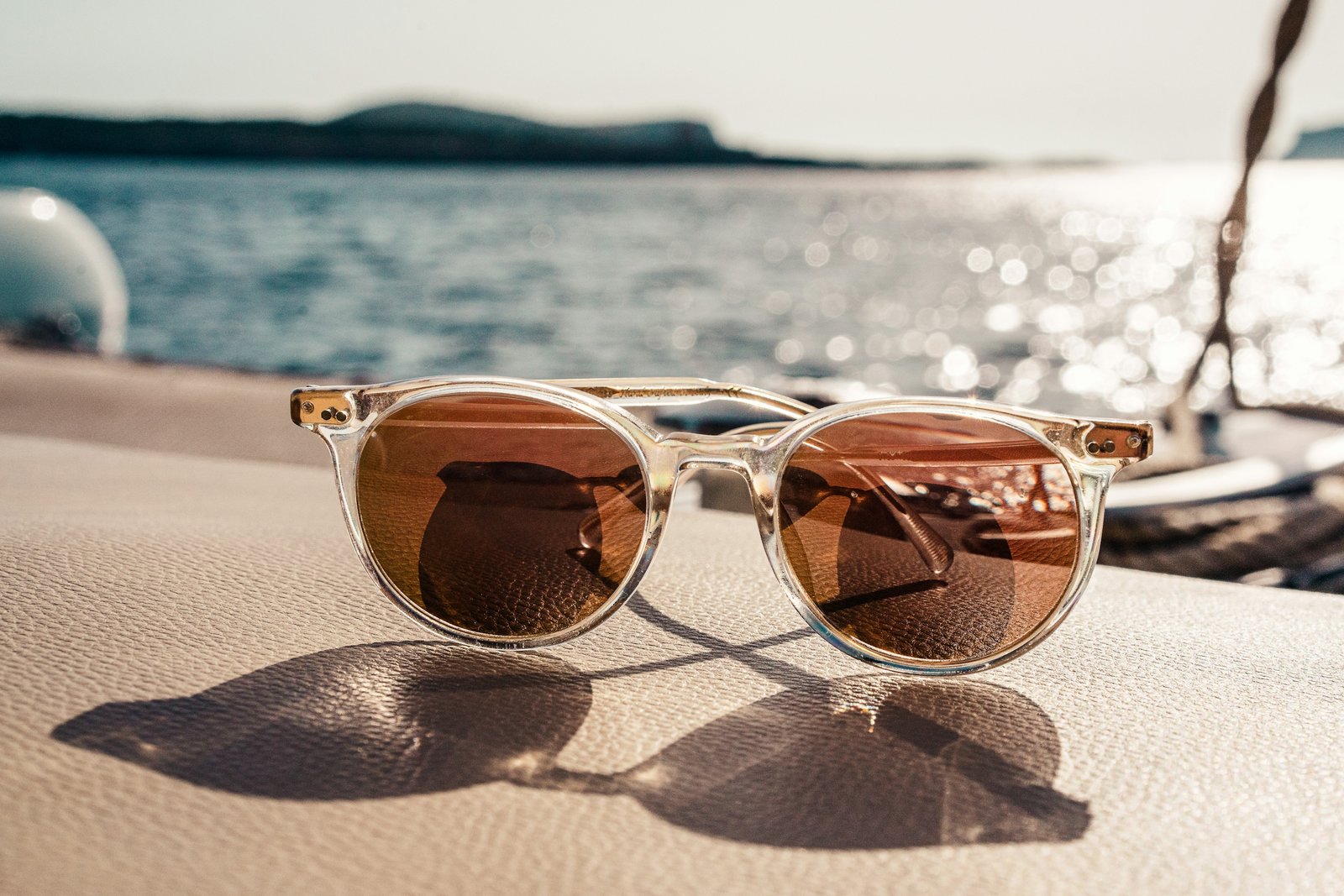
Sunglasses with full UV400 protection
Every pair of Dobetti sunglasses blocks 100% of UVA and UVB rays. Shop sunglasses
Filed under Sunglasses